I usually enjoy my work but coming back after a two week break has been harder than anticipated. Every January I wonder why I find life so challenging. In the space of twelve months, I forget that it’s normal to struggle at this time of year. I miss that extra hour in bed which seems to make all the difference. My brain is transitioning from holiday mode to working mindset. Typical office hours mean blink and you’ll miss the daylight. It’s cold and dreary and motivation is low to go outside. After a post-Christmas period of relative stillness, it’s back to reality. Joy once again drops to the bottom of a seemingly never-ending to-do list.
This last week has been largely dictated by the weather and my ability to get outdoors during daylight hours. It is no coincidence that my mood improves when the sun makes an appearance. On some days, it barely gets light before the sky begins to darken again. On those days, it takes sheer willpower to prise myself from a sitting position. It is a frustrating paradox to feel stuck within one’s four walls yet completely disinclined to escape one’s own confinement.








One daily non-negotiable is an outdoor walk before I start work. Sometimes, it’s a brisk walk round the block or up to local shop to run an errand. When I have more time, I look for green or blue spaces. This helps me connect with nature. The morning walk is a pleasing ritual that ensures I start my day on a positive note. No matter how the day unfolds and what chaos ensues, I know I’ve had some fresh air and movement.
Going to the gym after a day of remote working can be a challenge. However, it is one of the best decisions I’ve made. It gets me out the house and out of my head. A gentle reset, heralding the sweet yet tricky transition from work to rest. It boosts my mood and quietens inner negativity. I hit my daily movement goals and it brings me into contact with people with similar priorities.
The Third Space
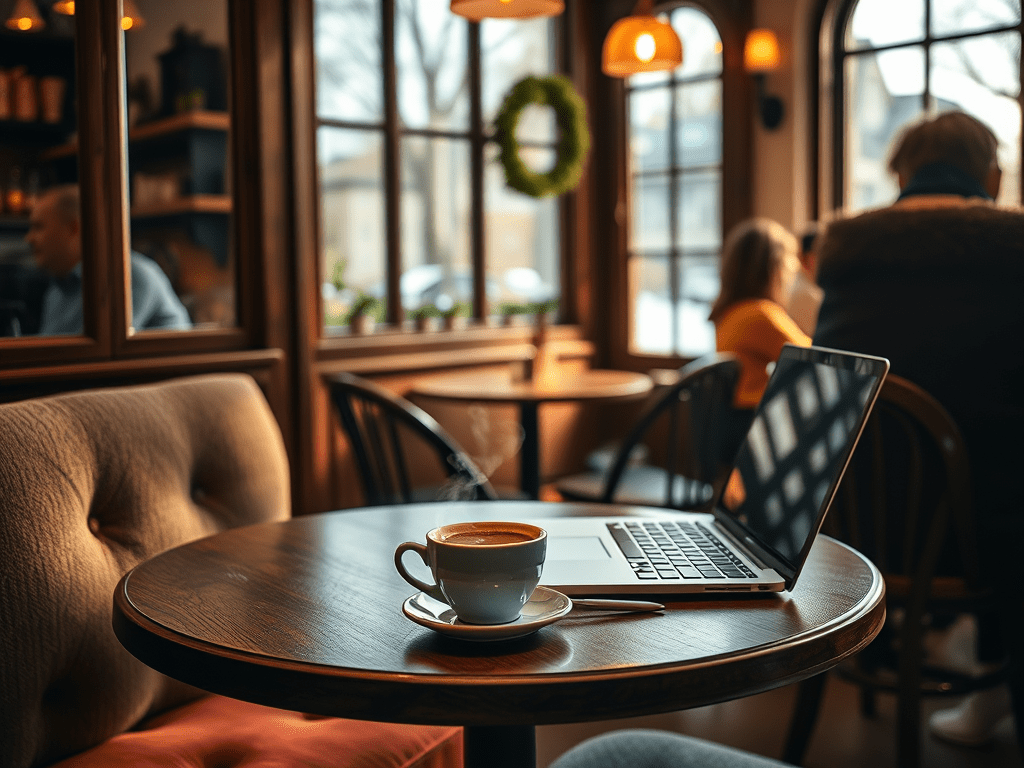
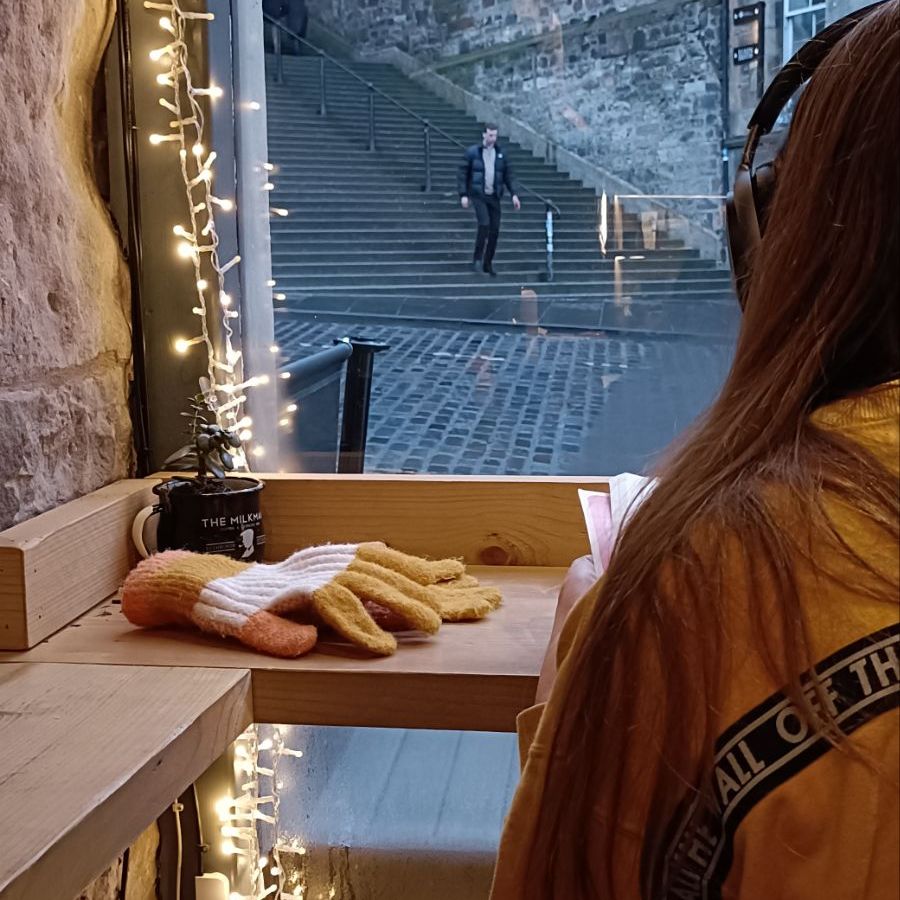
I’m a huge advocate of the Third Space, and will often break up my working week with a visit to a library or cafe. A perk of remote working is the ability to do so anywhere with a decent WiFi connection. The change in environment uplifts and boosts my productivity levels.
A Third Space is essentially any physical space we occupy that isn’t our home or place of work. This is especially significant for those who work from home or live alone. It’s not just about the change of scenery which can help to break up mundane routines and reset our brains. It’s also about human interaction. If you work from home or live by yourself, you can go days without speaking to another human being. This becomes normalised to a point where you barely notice the lack of human connection, even intentionally withdrawing from others. Even the briefest of interactions can suddenly feel overwhelming. The Third Space presents an opportunity to flex our social muscles; to practice interacting with others in a gentle way.
I have a few anti-social ‘red flags’ that help to remind me to intentionally connect with friends and loved ones:
- when I find myself talking too much or oversharing to a relative stranger
- when I become aware that I’m talking to myself
- when the thought of conversing with another human being, other than my immediate family, feels like an effort.
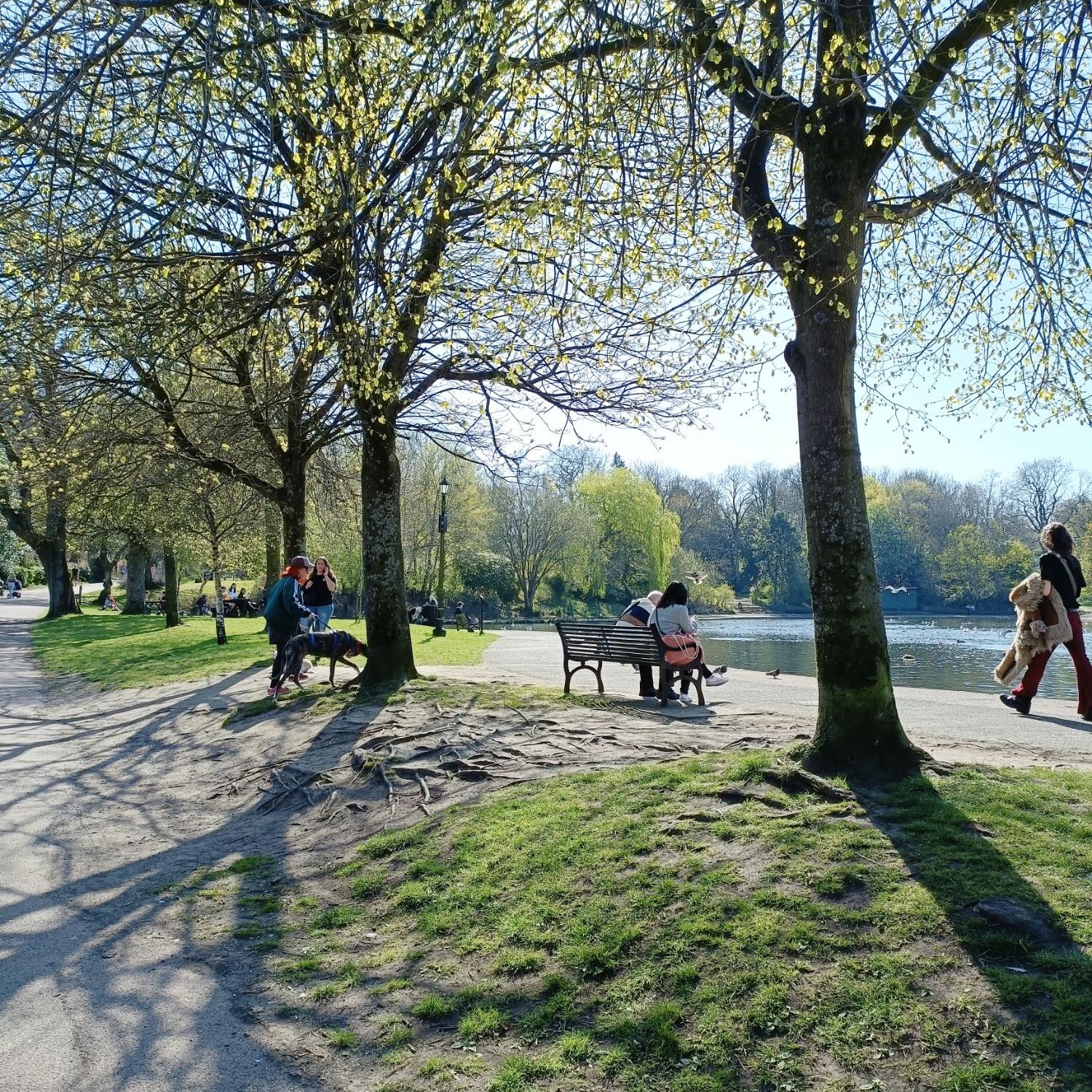
Working from a Third Space provides other benefits for our mental and physical wellbeing. A trip to a remote working spot may involve some gentle movement, in a local green space, or blue therapy from a walk along a canal. This presents an opportunity to make the most of the limited winter daylight, and to connect with nature which has been shown to lift our mood and reduce our stress levels. A quick browse round a quirky independent book store or gift shop allows for some retail therapy. A trip to the library may help to reignite a reading habit.


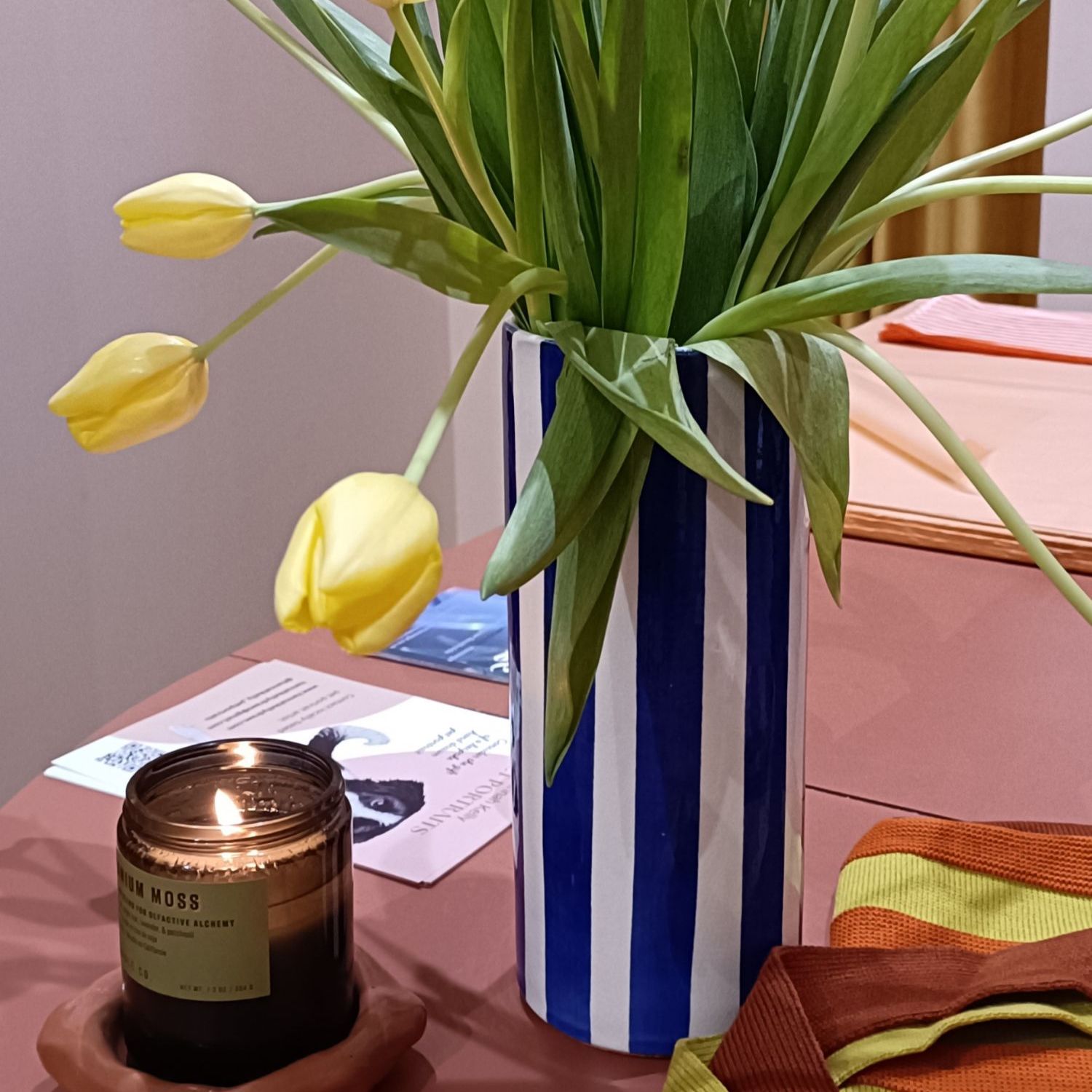
Stretching the (Dis)Comfort Zone
Working from home has become my comfort zone. If I’m asked to start my day some place else, I find this challenging, not least because it usually requires me to forgo my morning walk. I have made the transition from an open plan office environment to almost exclusively working from home. Now, I find it easier to work autonomously. I can also stick to boundaries that promote my mental wellbeing. Comfort zone. There are working practices I no longer tolerate, like random requests for (unnecessary) meetings at inconvenient times. These are much easier to refuse via WhatsApp or email.
When I chat with friends who work in teaching, I wonder how they cope with being “on” for hours at a time when I can feel drained after a day or two delivering in-person activities. I can feel the benefit of a half day in-person networking event or delivering a two hour workshop. This stretches my comfort zone in a good way because it allows me to share my knowledge and use my communication and facilitation skills. The interaction with others, when one is used to being solitary, feels uplifting and restorative. But the planning, the travel, the masking, can be exhausting. I’m so grateful this is no longer the norm for me. Comfort zone.
Perhaps the biggest challenge of remote working during the winter months is overcoming a resistance to leave the house/comfort zone. One can be aware that the comfort zone is making them sick, systematically destroying their motivation and productivity. A winter’s day, working from home, can drain our energy like no other. Unlike Summer, Winter does not tempt us to throw open the windows in a state of gay abandon. Yet, when we finish our work, we can feel powerless to resist the lure of the sofa, even when we know there are better choices available.
The key is to take action before the working day sucks our motivation dry.
Preparation is key. Look out your clothes and pack your bag the night before. Try not to over extend yourself by planning to do it all. I learned through experience that I do not enjoy a remote working day that’s packed to the gills with different activities. Walk in the park – yes; iced matcha in a favourite cafe – absolutely. Throw in a trip to the gym on top of that and it becomes overwhelming, a form of wellbeing overkill.
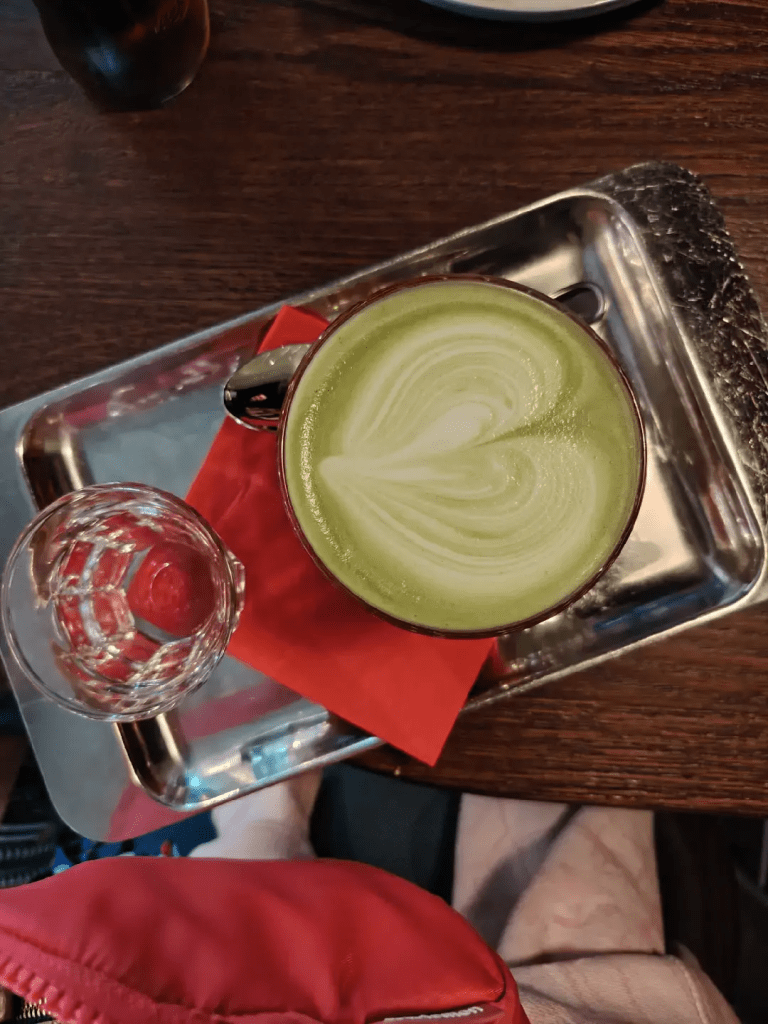
Do pick one thing to look forward to – as a reward for and incentive to get out the house. The aforementioned iced matcha works for me every time.
Don’t do it when you have an important deadline. It guarantees that something will go wrong. Keep the Third Space for tasks or projects that can tolerate disruption. Have a Plan B if things don’t go to plan. Don’t be be disheartened if it all goes pear-shaped.
Stepping outside your comfort zone isn’t supposed to be easy. Even when we are desperate for a change, this usually requires a willingness to embrace discomfort in some form. Follow these simple steps and you’ll be more likely to turn intention into reality. The effort will be worth it in the short-term when you get a little dopamine hit from the novelty of a remote working day away from home, and in the longer term, when you experience increased job satisfaction because you’re not stuck in the same old routine every day of the working week.
Working from a third space does come with its challenges. Access to a toilet and chargers for your devices. How to stay hydrated? Where to eat lunch? This can present a financial barrier unless you’re super organised and bring a packed lunch. This kind of forward planning does not allow for spontaneous decisions to just up & go. What to take with you? If, like me, you don’t drive and travel everywhere on foot or by public transport, you need to consider how to carry it all. Many times, I have found myself lugging around a heavy laptop and my gym gear “just in case”, or find myself without something important when I have decided to “travel light”.
It is often a case of balancing spontaneous plans and preparedness. Fortunately, the more you practice, the better prepared you are for all eventualities. You can slip out the door relatively quickly with a bag packed with everything you need for your trip without spending ages getting yourself organised.
The third space stretches my comfort zone in a gentle way. I still have to make and execute plans but my endeavours are rewarded and this makes it worthwhile. Working from a third Space provides a sense of novelty, gives my brain a healthy reset, and presents opportunities for a host of wellbeing benefits.
Stepping outside the relative comfort of my own home also helps me to appreciate the autonomy, freedom and flexibility that working from home allows.
I read an interesting post on Instagram which sums up how I feel about remote working, the importance of shaking up your everyday routine, and the benefits of working from a Third Space. It asks, “Are you depressed? Or are you just sitting all day indoors, not exercising, sleeping horribly, eating hyper-processed foods, getting 4,000 steps a day?” (@coachdango)
It’s so true yet we don’t necessarily make the connection. We might automatically blame our work for not being stimulating enough or consider ourselves lazy or ungrateful for not appreciating the relative comfort of working from home.
But, how can anybody expect to feel good if their lifestyle doesn’t serve their mental and physical wellbeing? We can make remote working work for us by taking advantage of some of the perks it offers. Remote working gives us the autonomy to break up our working days with activities that promote mental and physical health benefits.
Another post from @mental.aspect explains that “your brain is wired to get bored. When every day looks the same, dopamine drops. Motivation fades. Life starts feeling heavy for no clear reason”.
“Small, new experiences increase dopamine and refresh your mood. You just need a break from routine”.
This resonates with me, and makes total sense. It’s not like I don’t know this already – but seeing it written down, helps me to recognise that it’s normal and to be expected. A life or routines that become too predictable leave us feeling bored and under-stimulated.
Just as we can switch to healthier lifestyle choices that promote better mental and physical wellbeing, we can disrupt this predictable pattern by actively seeking novel experiences that wake up our nervous systems: new sights, sounds, routes or conversations signal to our brains to pay attention.
Even tiny changes can have a huge impact on our mental wellbeing. We can’t jet off to Spain every time we feel flat or bored, but we can visit a new coffee shop, take a new route to work, listen to something new, talk to different people, make spontaneous plans after work.
If we put the effort in, to cultivate healthy habits, and to build a little novelty into our lives, we feel so much better and this, in turn, makes navigating remote working during the winter months so much easier.
 awellnessworkinprogress.com
Leave a comment