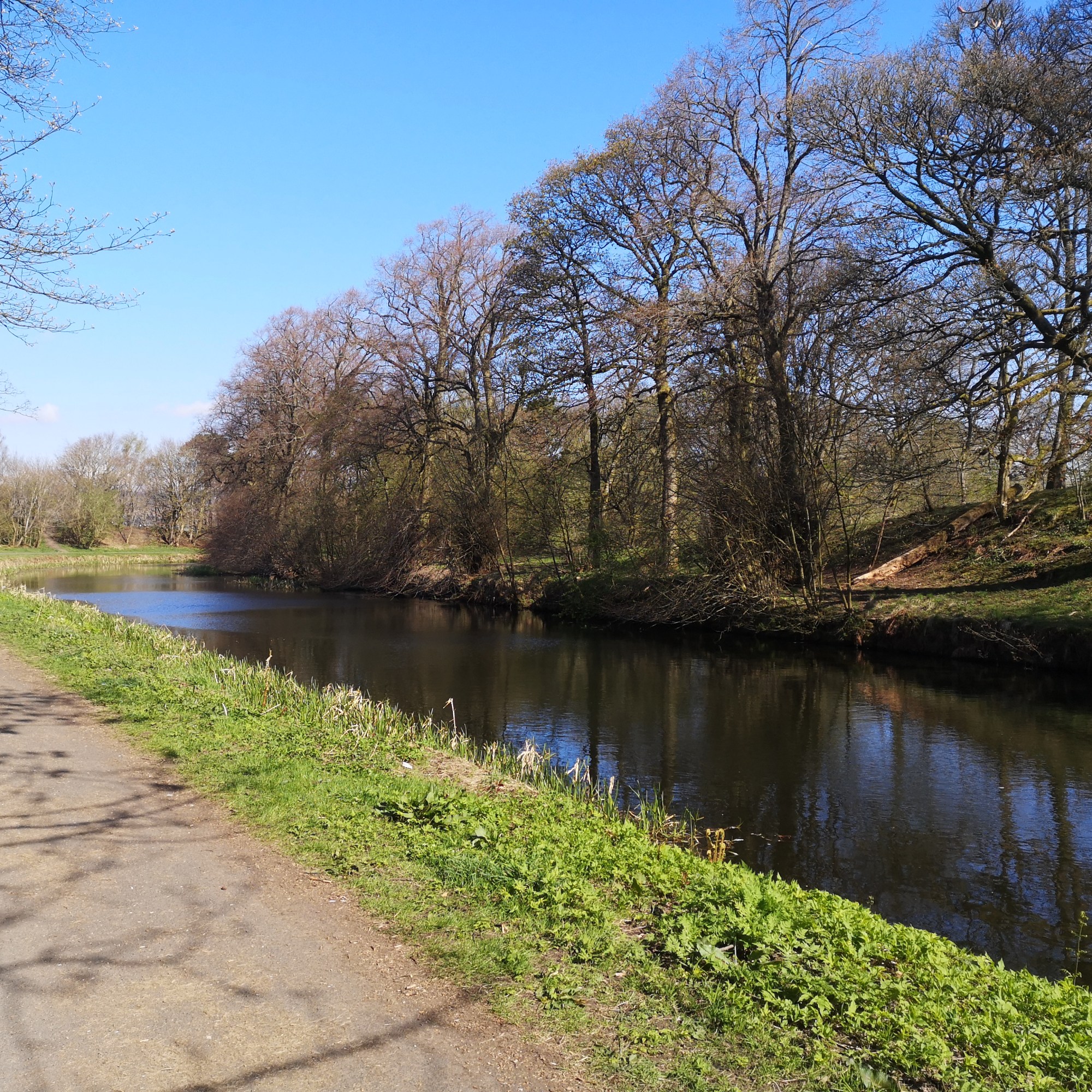
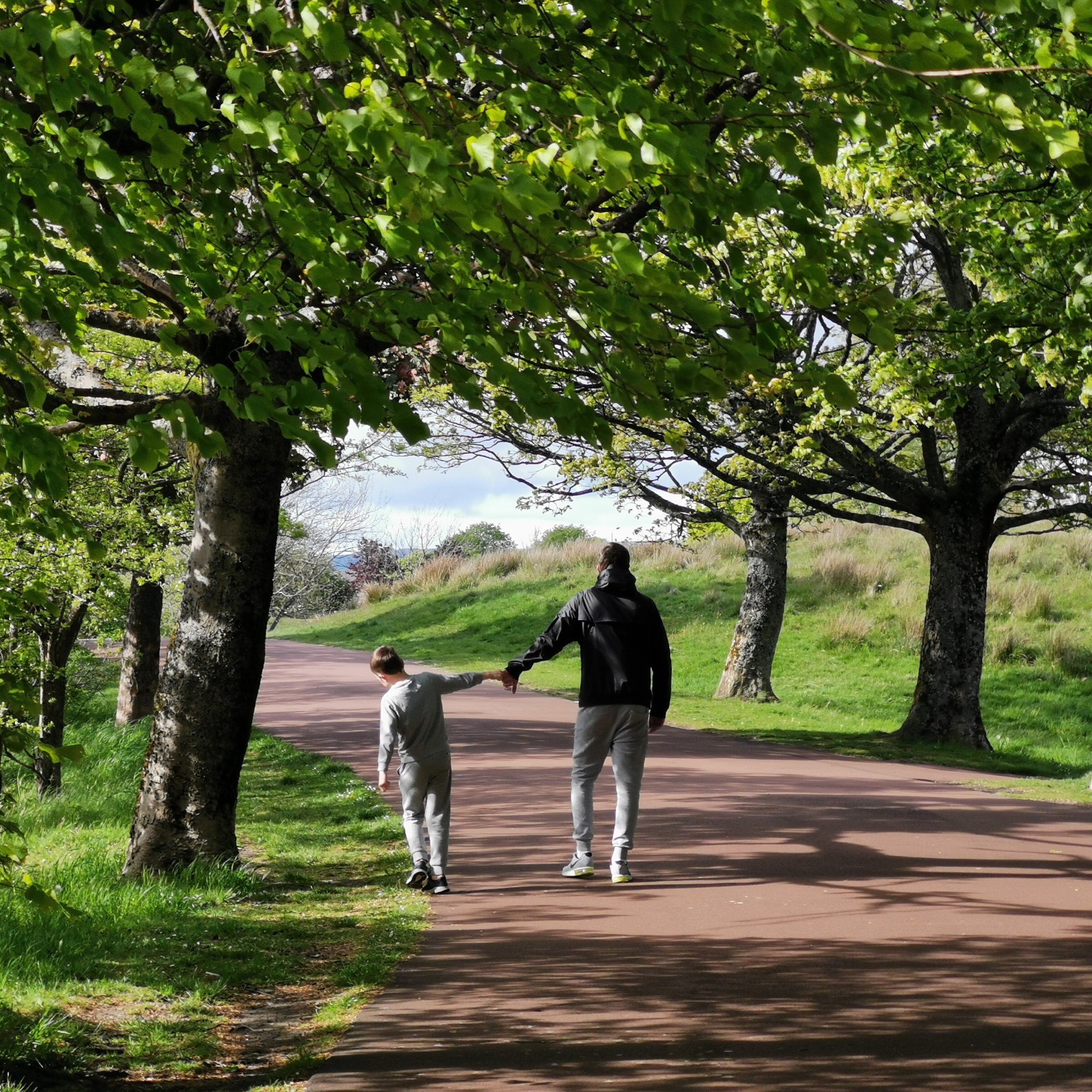
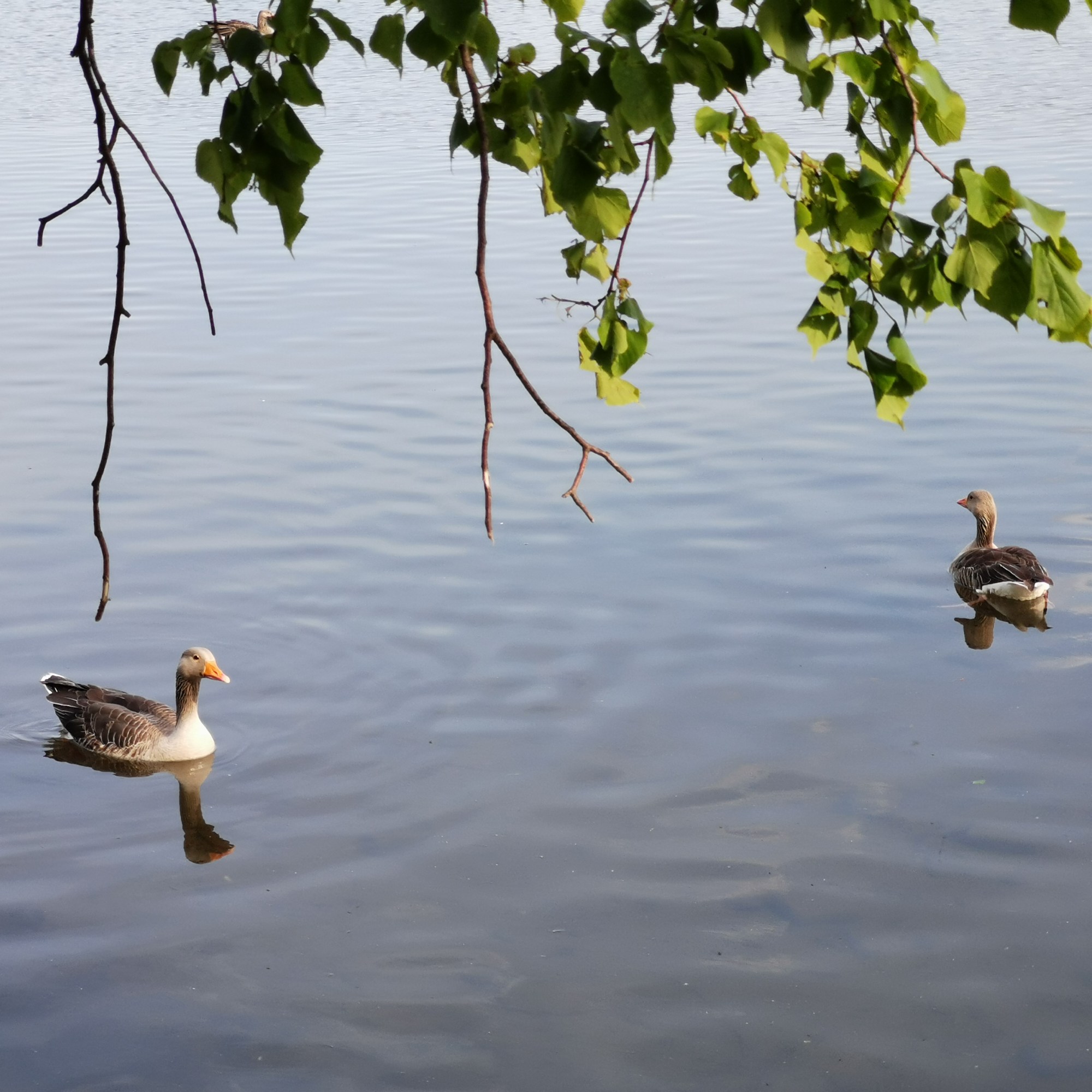
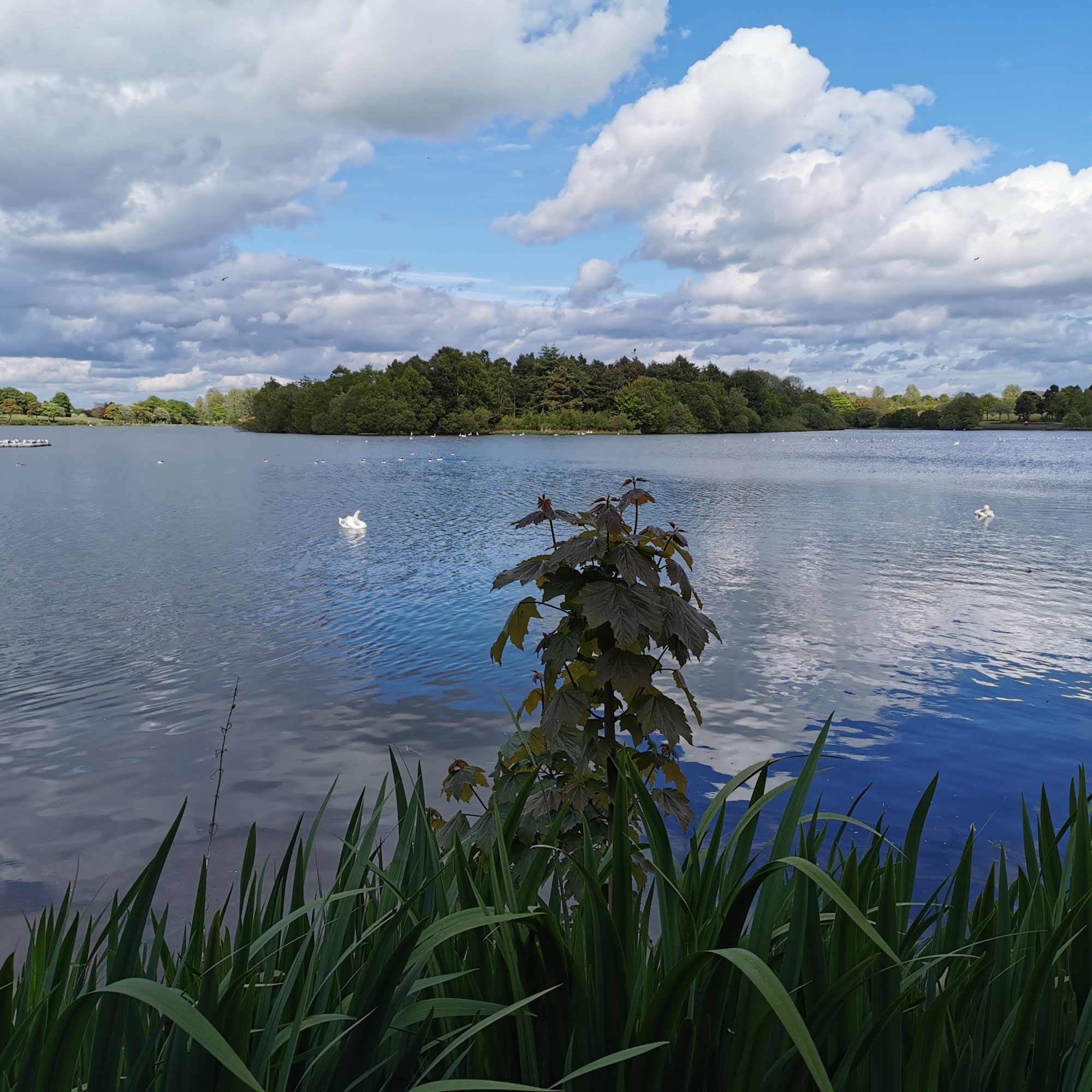
Although I live close to a major city, green and blue space is never too far away.
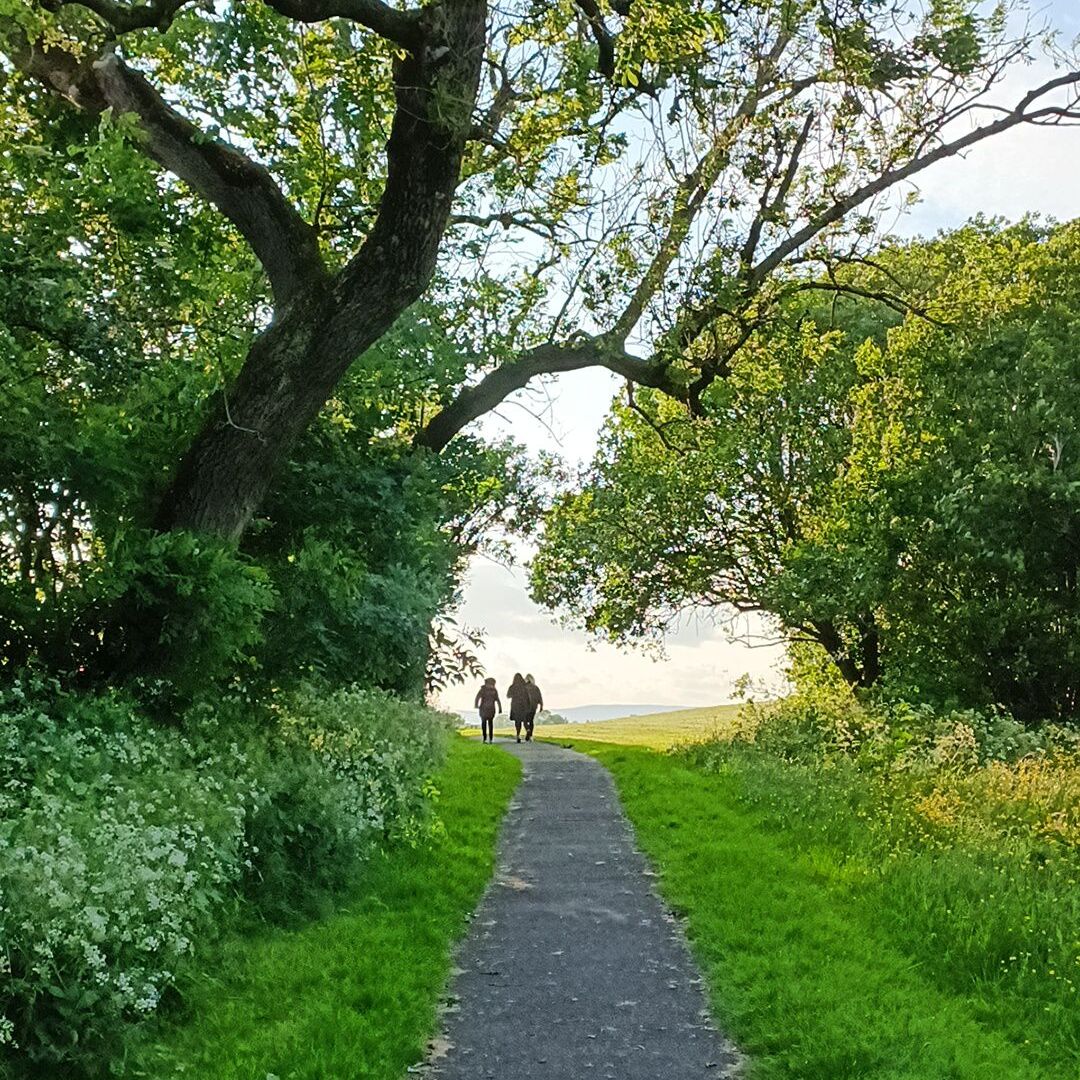
I don’t drive but I enjoy walking and have discovered local routes and paths that keep me closely connected with nature.
A pond. A park. A wooded area. A grassy knoll.
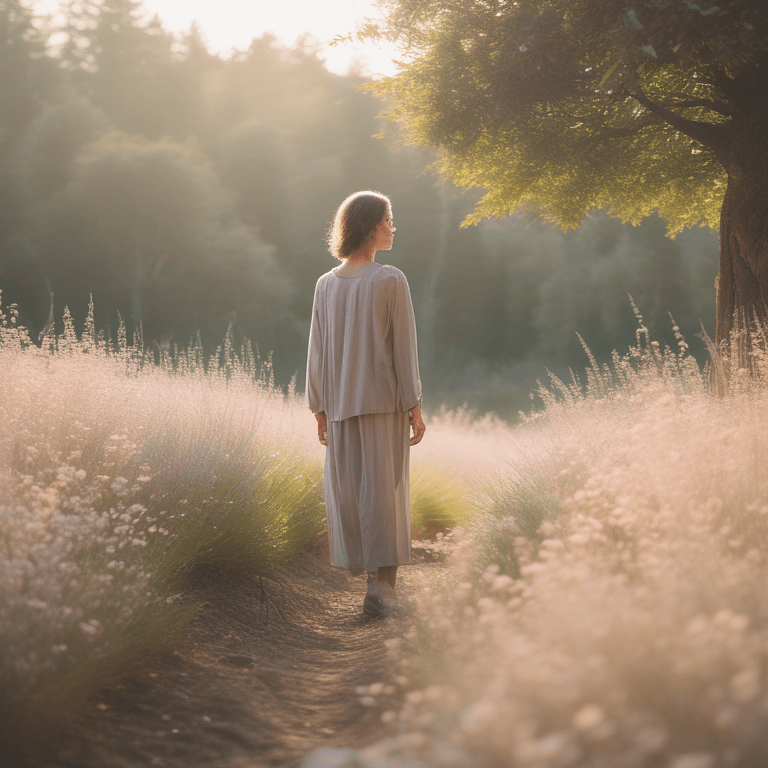
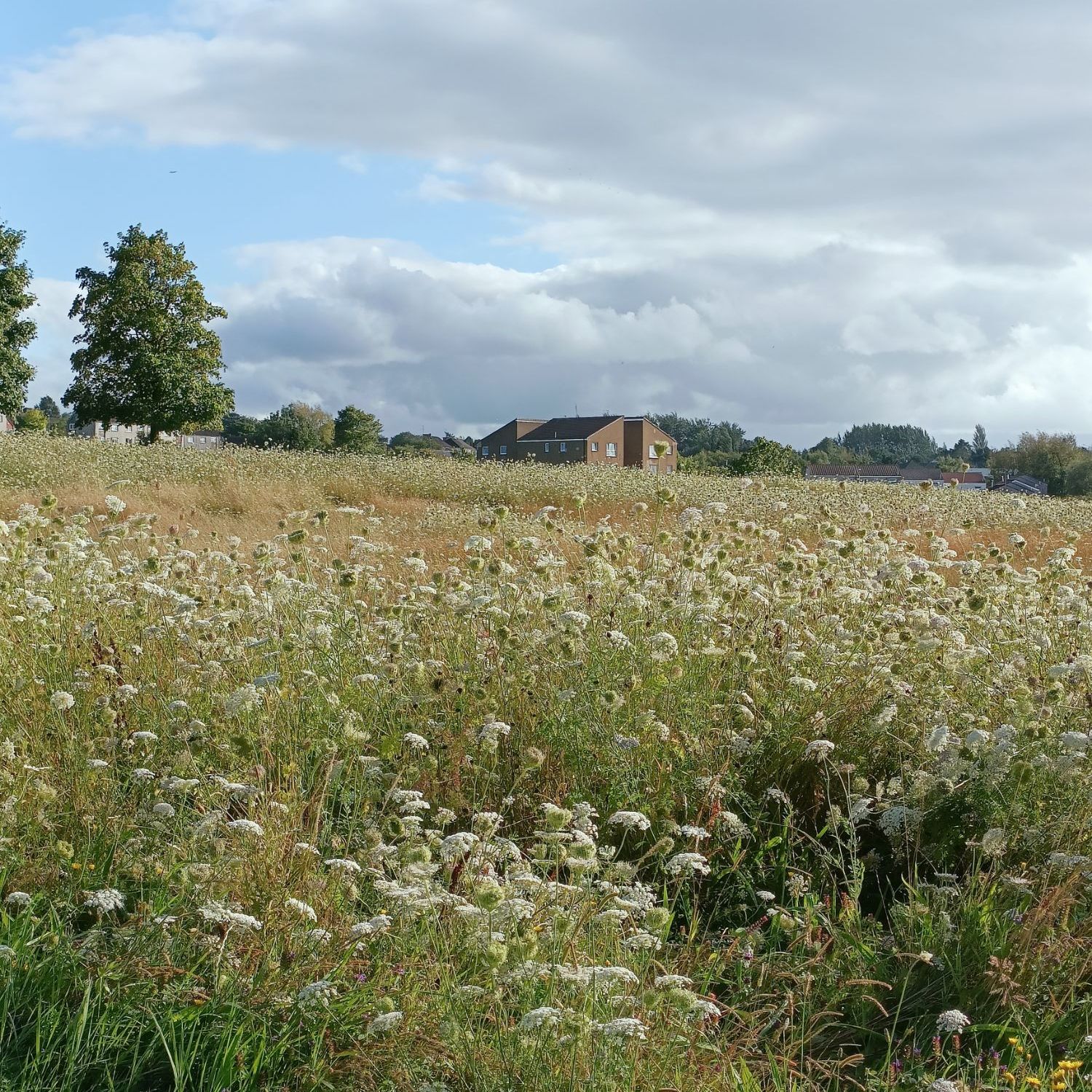
In Spring time, our local council plants wildflowers. Last year was their first time doing this. In full bloom, the flowers transform the local area. They attract wildlife, like small herds of deer. Last year, I visited the wildflowers every day, enjoying their calming, uplifting presence. It was sad to see them cut back in the late Autumn but I look forward to their return in the Spring.
There is a pond nearby where I often go to visit the moorhens. I first became acquainted with these quirky little creatures during a depressive episode in late 2019. I developed a connection with the local wildlife during this challenging period. This bond played a significant role in alleviating my symptoms and helped me on my recovery journey. Now that I am well, I sometimes take the moorhens for granted. I walk past them without so much as a backward glance, distracted by my thoughts or my phone. Every now and then, I remember to look for them. This happens especially in Spring with the arrival of fuzzy, little chicks wobbling on spindly legs. Nature is such a simple pleasure. It’s good to be reminded every now and then of how much the moorhens meant to me during a time when my mental health was at an all-time low.
The beauty of witnessing nature is that it helps us to understand how our world is constantly changing. We can feel stuck in the depths of a depression but the transience of the natural world reminds us that everything changes – including our feelings and mindset.
I am fortunate to have a front and back garden which help keep me connected with nature.
Our front garden isn’t much: essentially just a patch of grass next to a busy main road. During the early Spring, I can sit on a bench in front of my house and watch the world go by. I can wrap up cozy and enjoy the early morning sunshine. This isn’t a regular activity. I often forget that I have this option to sit outside but, also, the climate here in Scotland isn’t always conducive to sitting outdoors in Winter or early Spring. Perhaps I will try to cultivate this habit in the coming months: create a ritual of sorts, enjoy a more mindful cup of tea, accompanied by natural light and birdsong, without the unhelpful distraction of technology.
Around mid-April we have a cherry blossom tree that spills magnificently into our front garden. It gives my husband terrible hay fever but fills me with joy every time I look at it. In the Easter school holidays, we try get away as a family for a city break. When we leave for our trip, the buds are on the verge of exploding; when we return, the tree is finally in bloom and its beauty helps to alleviate the sense of gloom one experiences when returning to reality after a great holiday. Our bedroom window overlooks our front garden and I often go in there during my working day, to peek at the cherry blossom in all its glory.
Speaking of seasonal change, I love to look for those first signs of growth, beginning with the first snowdrop shoots which now arrive as early as late December. The first snowdrops come along shortly after. No matter how gloomy the weather, that first snowdrop sighting is monumental in lifting one’s mood because it heralds the first glimmers of the Spring to come.
Along come the croci in February, culminating in their thousands in shades of white and purple and yellow. The cheery colors uplift our moods. We don’t have long to wait before the Daffodils appear and then we know it’s really Spring! The weather would have us believe that it’s still the middle of winter but the Daffodils fill us with hope of brighter days to come.
The most astonishing transition takes place in April: at the start of the month, the trees are still bare – but, by the end, the leaves return and, within a matter of weeks, parks and gardens are awash with colour and we can scarcely recall the grey skies and skeletal appearance of the trees that characterized those long winter months.
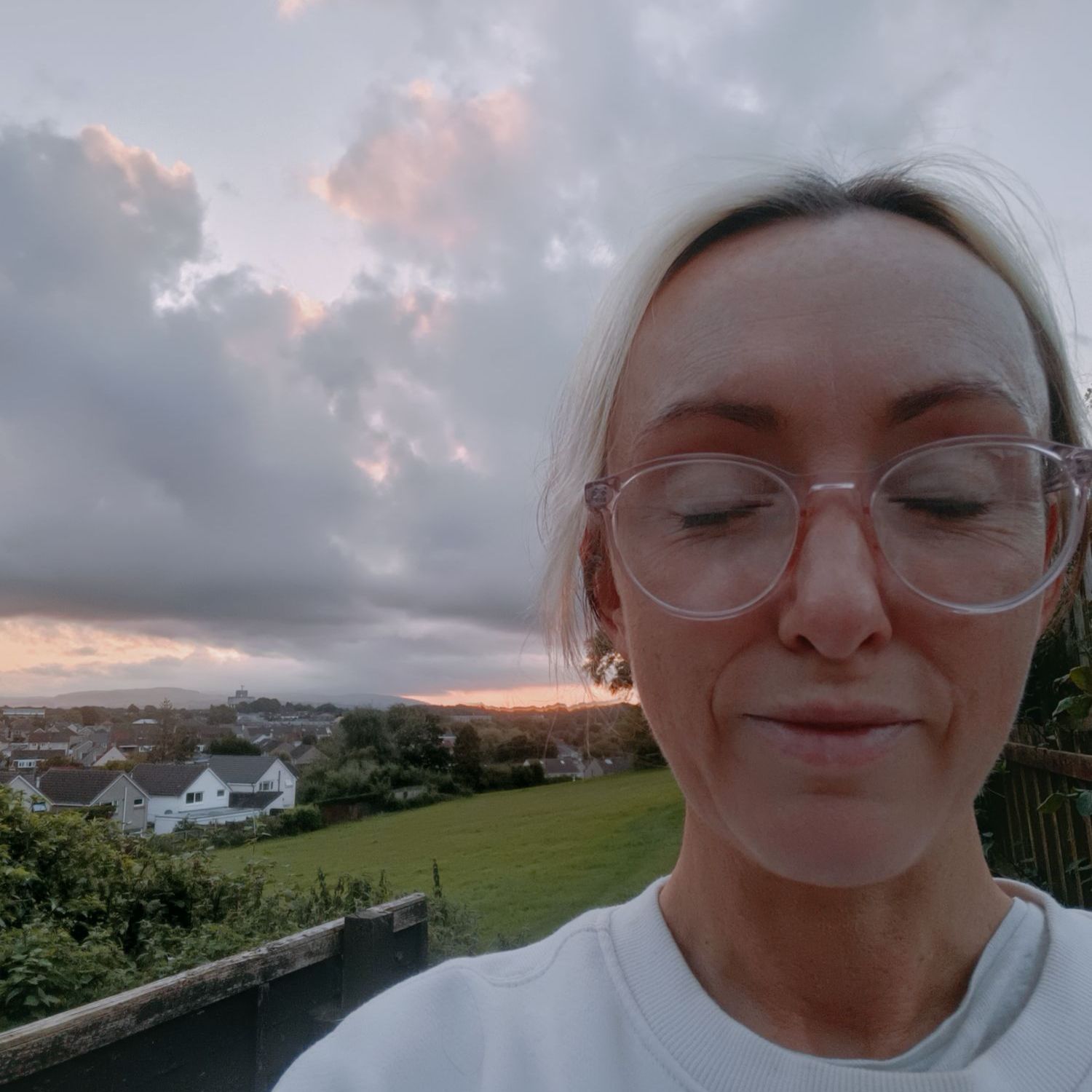
My back garden is a tiny oasis. We keep it low maintenance so it grows wild, almost unkempt in appearance – but provides a perfect space for wildlife to thrive. It offers a striking view of the local area, as we sit at the top of a hill and, as it faces West, the sunsets at any time of the year are impressive. If there are clouds in the sky, we can appreciate the fluffy shapes against a backdrop of light or dark.
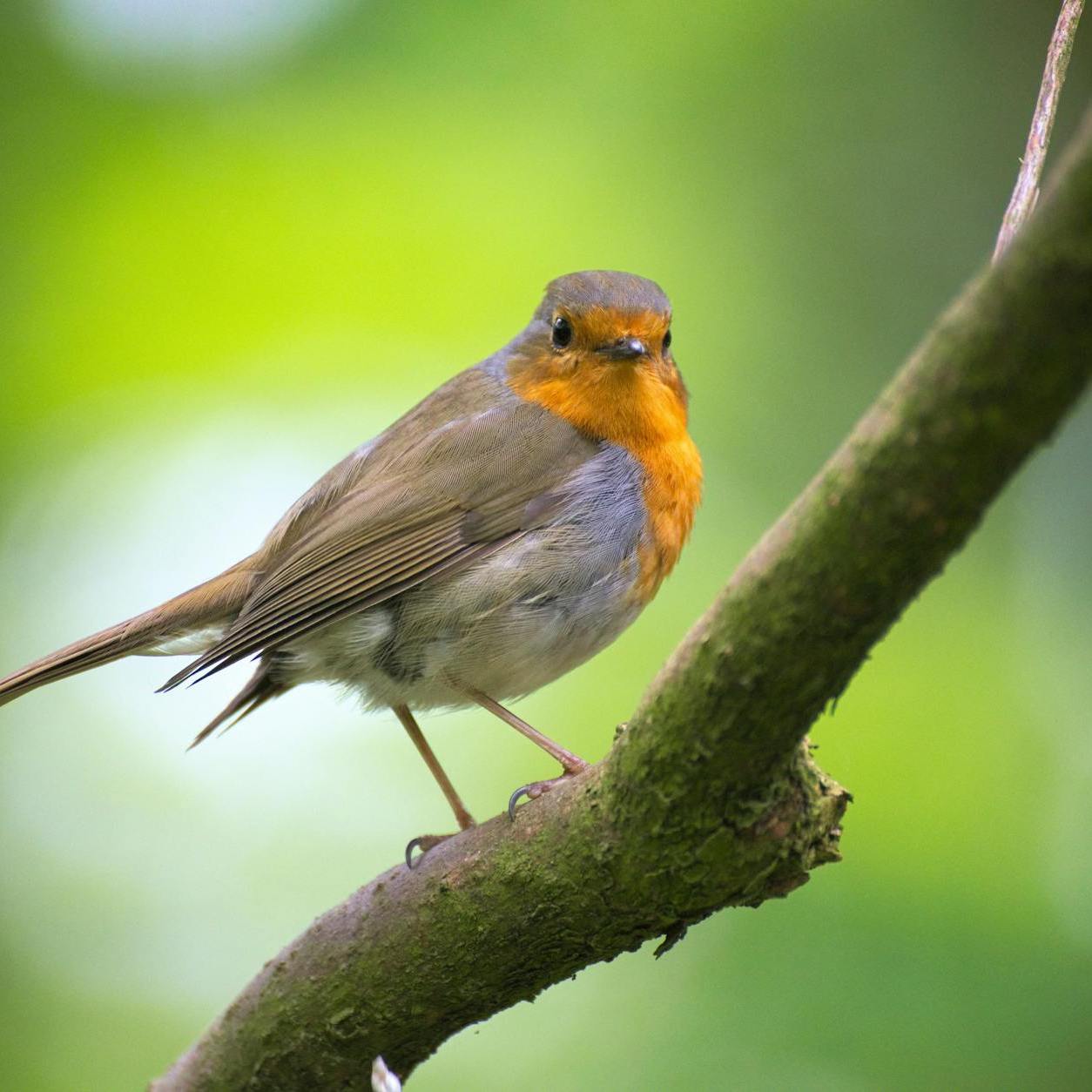
A great way to enjoy dusk at any time of year but, particularly on a cold, crisp Winter’s day, is to layer up your clothes and take out a warm drink to the garden, and watch the sun disappear below the horizon, listening to the sound of birdsong which tends to peak around this time. Our garden isn’t pruned or glamorous but, tucked away from the busy main road, it is somewhat soundproofed against man-made sounds – like honking car horns, barking dogs and children’s laughter. If you’re lucky, you can hear a Robin singing just as darkness falls.
In Spring and Summer, you can hear the buzzing of the bees, the coos of the wood pigeons and a male blackbird singing to guard his territory or woo a potential sweetheart. This might be my favourite sound of all.
A favourite past time of mine is watching the activity at our bird feeder. It’s relatively quiet in mid-Winter -perhaps the birds are away enjoying warmer pastures – but it’s a hive of activity in the warmer months. We acquired a bird house around a year ago – a gift from friends to mark the passing of my Dad and is symbolic of my passion for birds. It took a while for the birds to warm up to this new addition and, for a while, we feared we’d lost our tiny winged visitors but gradually they returned and it seems the transition is complete with more birds than ever visiting our garden.
In Winter, darkness falls around 4pm but that’s a small price to pay for the long summer evenings that we enjoy, which can stretch out to 11 o’clock at night. I wouldn’t trade these for anything. Few experiences are more magical than going to bed when it’s still light outside. Then, you wake up in the small hours to go to the toilet and discover that the sun has already risen in the sky, just a matter of hours later.
Taking place on the first Sunday of May, International Dawn Chorus Day is “the worldwide celebration of nature’s greatest symphony”. All across the world people rise early to revel in the sweet sound of birdsong, from rattling wrens in Rotherham to crooning cowbirds in the Caribbean. Although I’ve stood at my hall window and listened to the birds around dawn and, when struck by an untimely bout of insomnia, been known to venture into the garden shortly after the sun has come up, to listen to the birds, I’ve never experienced International Dawn Chorus Day. This year, it features high on my list of things to experience.
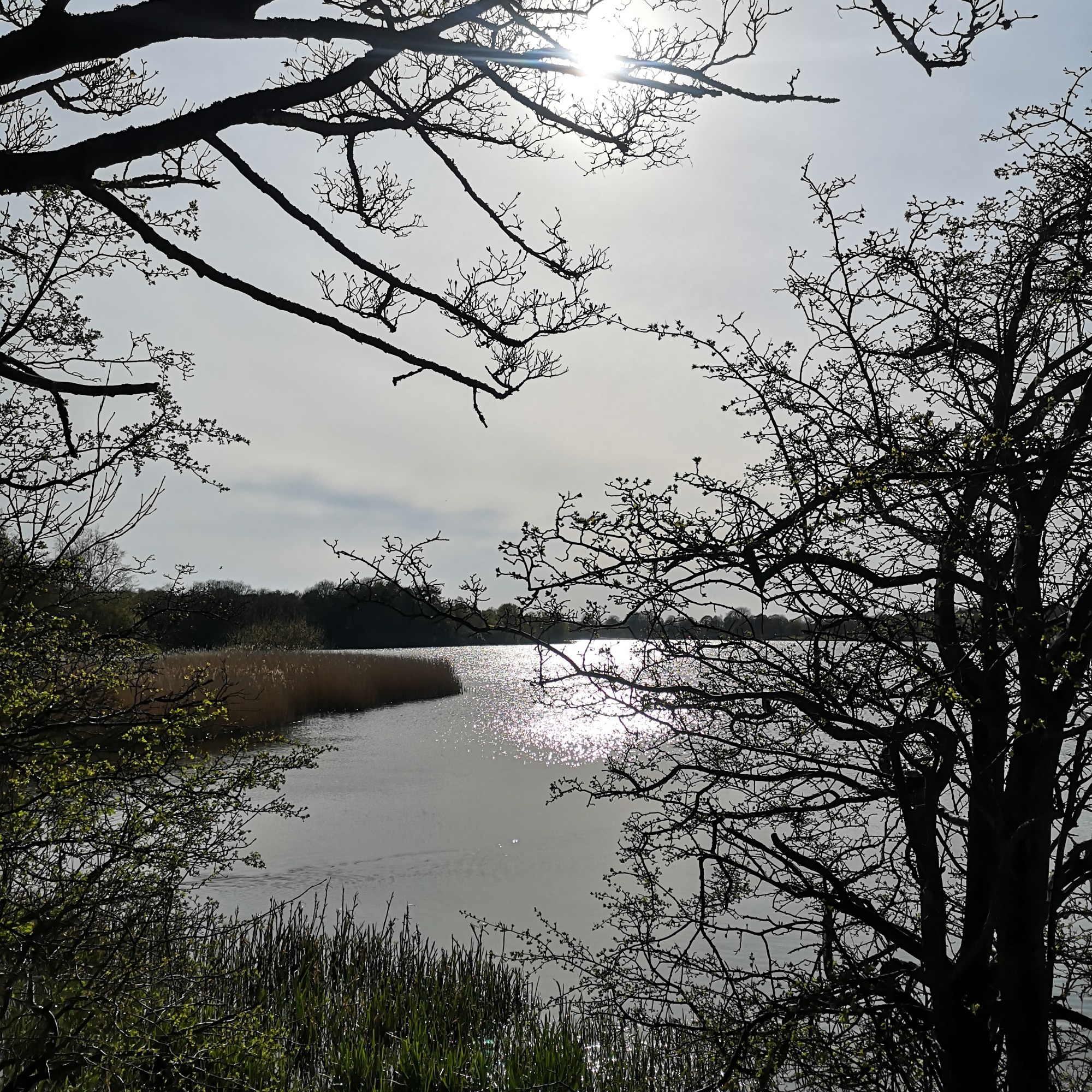
About 15 minute’s drive from our home is a beautiful loch. We can walk or jog around the loch in around 30 minutes. We first discovered the loch during the pandemic and our daily walk became the highlight of our day; a way for us to connect as a family after a day of home schooling and remote working. Our daily walk gave us reason to get out the house, to connect with nature during the first lockdown. Although separated by the 2 metre rule, we encountered many of the same faces on each of our walks and it was this familiarity along with a nod or a smile or some other greeting that brought a sense of comfort and connection and during a time of worry and uncertainty. We were lucky that the weather was kind to us. Each day brought sunshine and we were could enjoy the spectacular views of the loch and a plethora of wildlife.
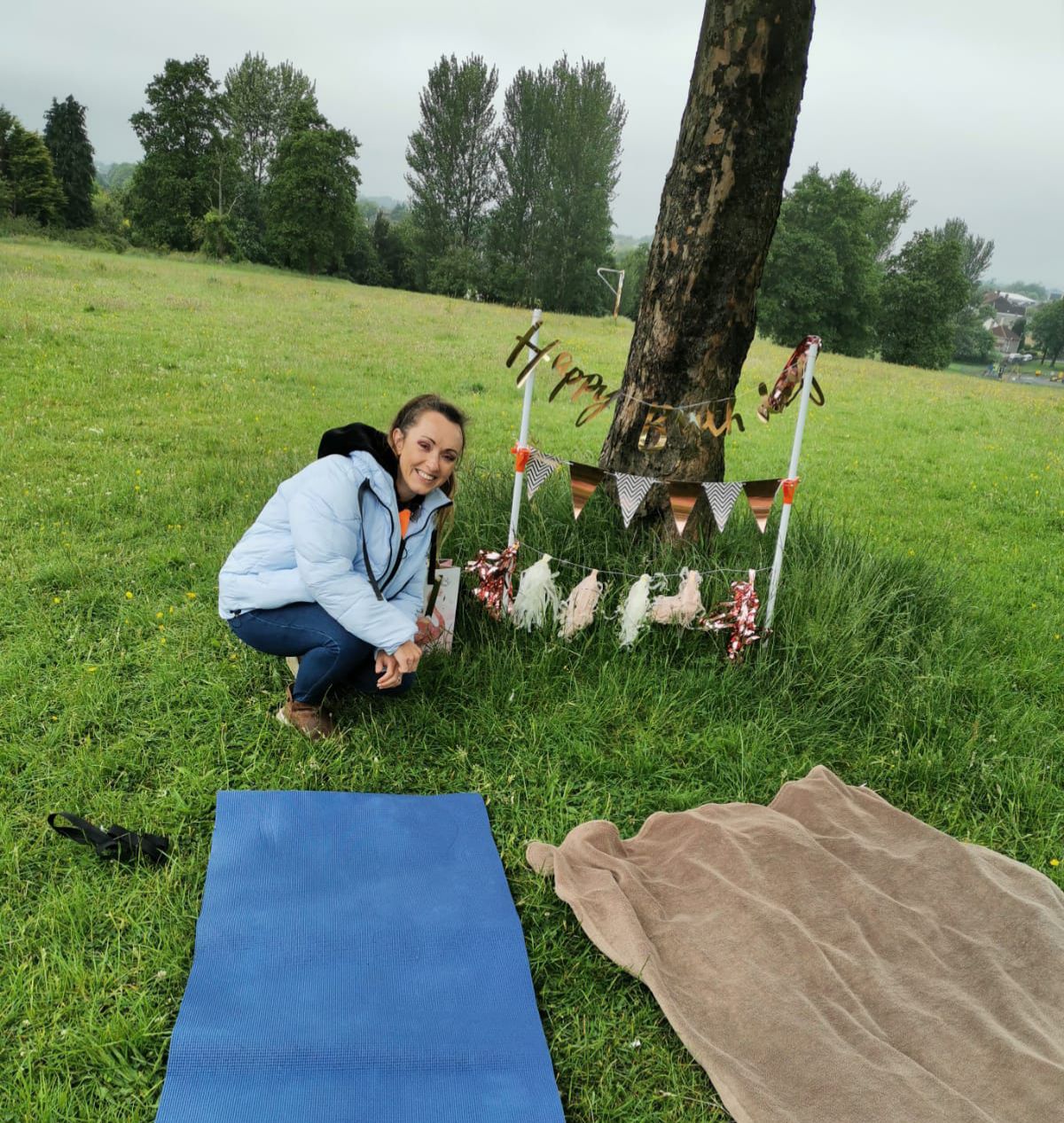
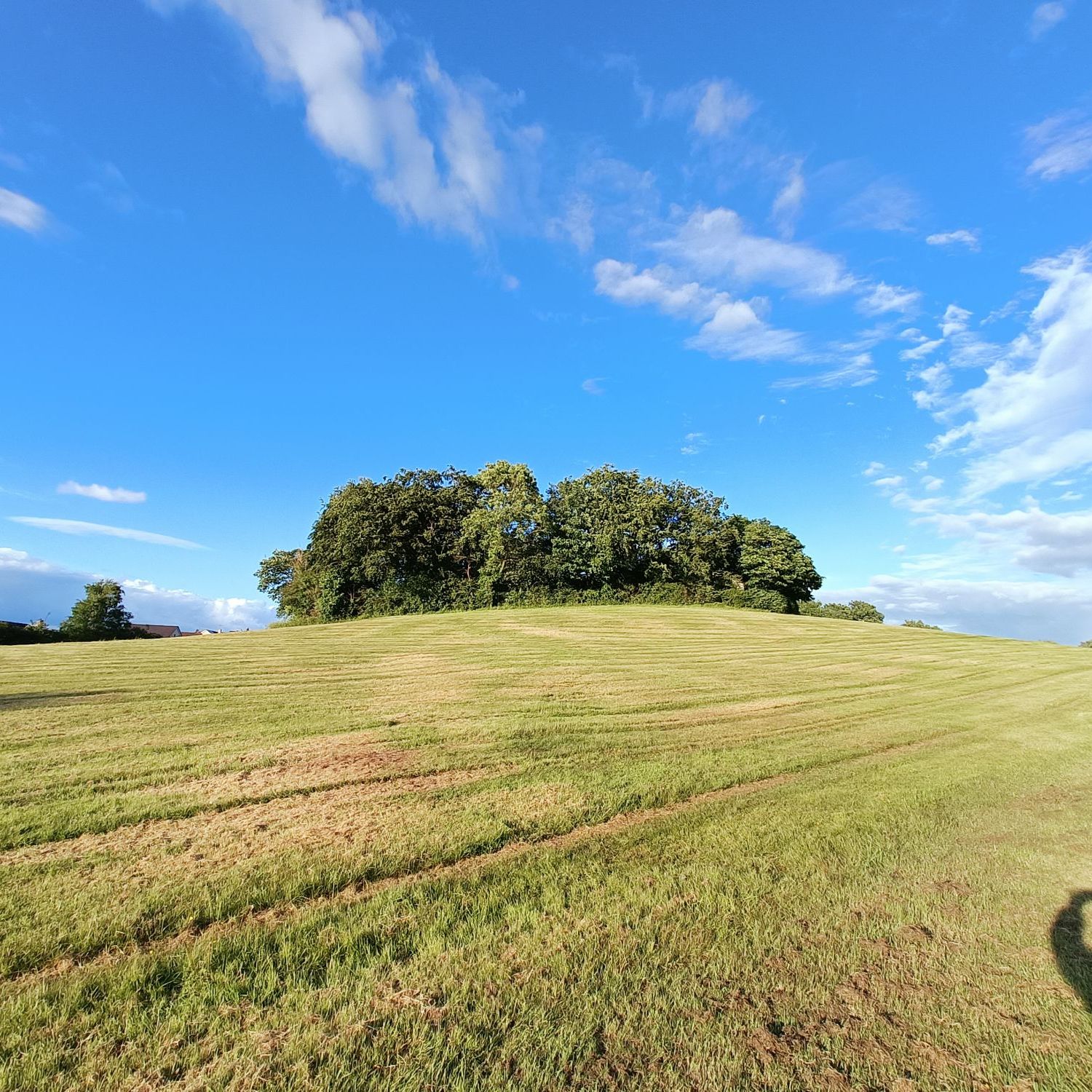
Another pandemic was the grassy knoll at the back of my house. Of course, the knoll has always been there but it took on much greater significance during a period when we weren’t allowed to socialise with friends and family indoors. I spent my birthday on the grassy knoll, surrounded by my best friends. We sat on blankets, drinking tea and eating birthday cake, baked by one of my friends, and blethered until it was time to go home.
For some, the grassy knoll resembles nothing more than a hill; a means to an end for dog walkers or people taking a short cut home from work. For me, it represents so much more. The scene of a sunny afternoon spent laughing with friends during the height of Covid-related restrictions, but also somewhere that one can go to enjoy a spectacular view of the local area, to seek out a local family of foxes as they emerge from the hedgerows at dusk, to spot deer, hiding among the wildflowers. I spent many moments atop the grassy knoll, gently weeping, when I was grieving the loss of my Dad. Memories of the grassy knoll are both poignant and bittersweet.
I returned to the loch on New Year’s Day. One of my favourite ways to stay present on my walk is to count the species of birds that I see. It’s so easy to take nature for granted but this provides an engaging way to connect with nature. Of course, there are common varieties that we often see in our own back gardens or even on a busy high street – like crows and magpies and pigeons. But in and around the loch is a wide range of water birds – swans, gulls, geese, grebes – if you’re lucky a cormorant or two and even a heron. Yesterday I spotted a Robin which, although not uncommon at this time of year, is always a joy to behold. Also, a pied wagtail, with his bobbing, black and white feathered tail, white breast and striped torso.
As I say, it would be easy to take this for granted. Do it often enough, it becomes almost commonplace. It can lose its magic but only if we allow this to happen, by becoming so attached to our smartphones or getting distracted by our thoughts: that argument we had with our partner, our teenager’s less than optimal sleeping patterns, looming deadlines at work, the bills to be paid.
That’s why it’s important to open our eyes – and our ears – to what’s all around us. It’s such a gift. We may not have access to a loch or even a garden but, with a little effort, hopefully we can seek out green or blue spaces that help connect us with nature. Research shows that connecting with nature can have enormous benefits for our mental wellbeing. Just twenty minutes a day can significantly boost our mood and lower our stress levels. Combining nature with exercise provides even greater benefits for both our mental and physical wellbeing.
I love to get outdoors as much as possible but, especially in the Winter months when I seem to crave it. I think this is because natural light is in such short supply. Those of us working a typical 9-5 are lucky if we enjoy more than 30 minutes of natural light a day. Unless our jobs have flexibility that allows us to venture outdoors during the day, we might miss out altogether. We need to make the effort to seek out natural light when we can. I am lucky that I work from home and have opportunities each day to take a walk outside. If I miss my morning walk, I notice a difference in terms of my motivation and productivity and often pay for it later in the day in terms of my mood and and energy levels.
In the summer months, connecting to the outdoors, even during a typical 9-5 working day, is easier as we open our curtains and blinds, windows and doors, letting in as much fresh air and natural light as possible. As the weather tends to be better – certainly warmer – we are more inclined to look outside, to appreciate the view from our windows, even when we are stuck behind a desk, and more likely to make the effort to go outside for exercise or even just to sit on a park bench or outdoor cafe, sipping a cold drink, eating our lunch, or simply watching the world go by.
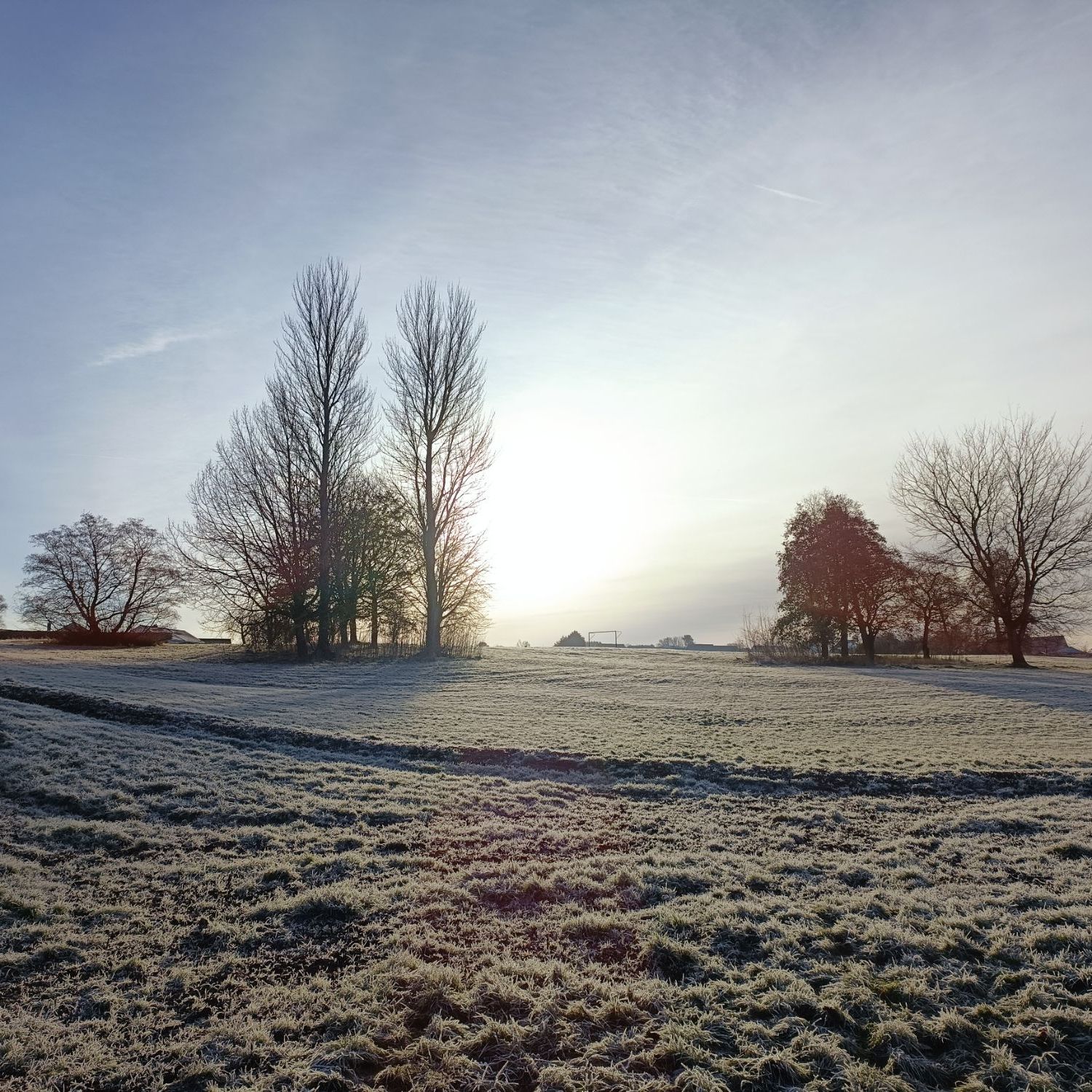
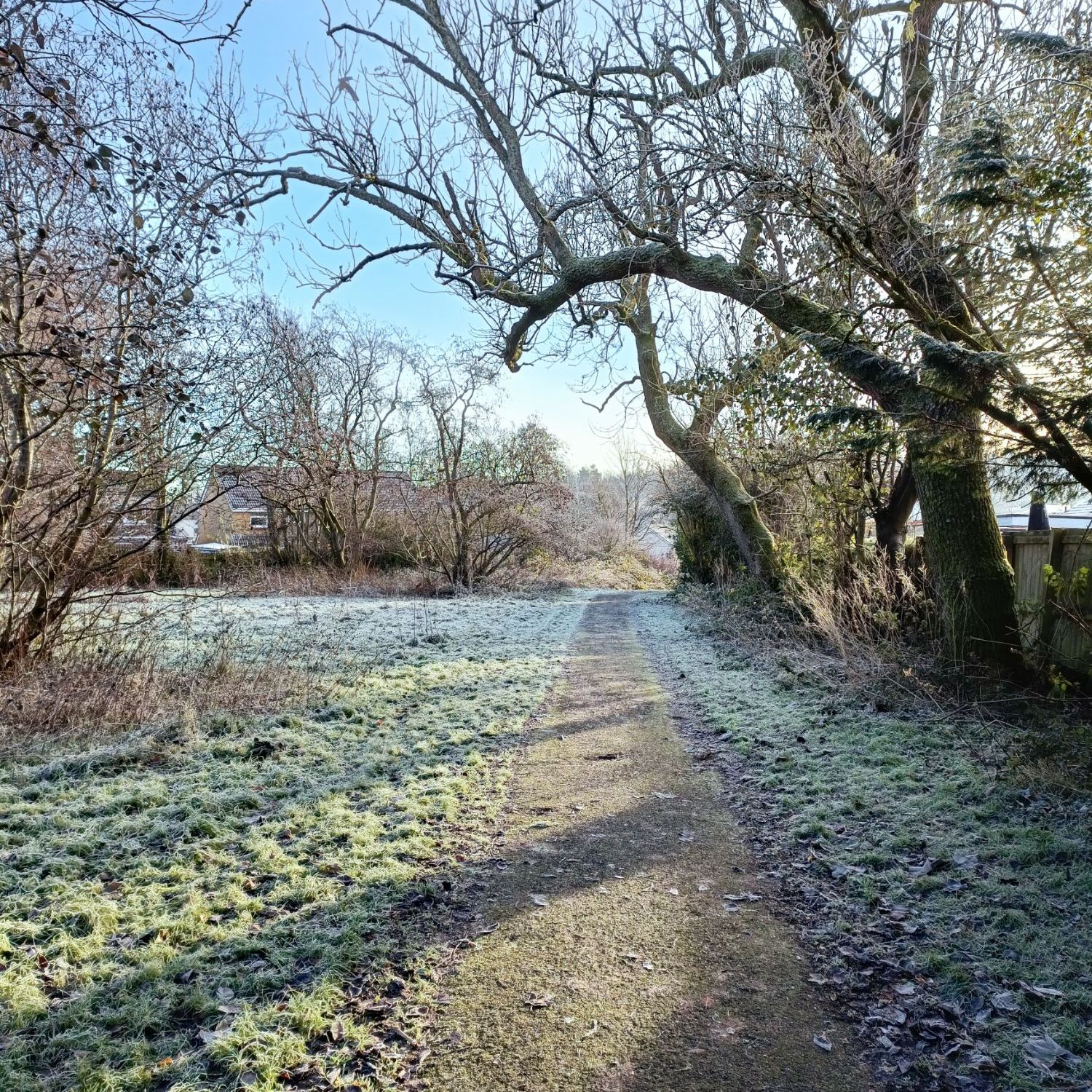
As I write this, the pavements are thick with ice. I have a deep fear of slipping on ice and one look out the window convinces me to stay indoors.
Ironically, the one time I slipped on a patch of ice was when I was distracted by a magpie. This was long before I’d befriended two magpies that have since become frequent visitors to my garden and I was still superstitious enough to issue some form of greeting, by way of a wave or salute or general murmuring under my breathe, to avoid attracting the attention of other walkers who might think I was – shock, horror – talking to myself, or worse – who might guess that I was, in fact, talking to a bird….
I knew it was slippy that day but had taken to waddling like a penguin and avoiding the iciest patches. Having spotted this lone magpie, I believe I was mid-wave when I lost my footing, landing hard on my backside. It all happened so quickly but the irony of the situation was not lost on me. I’d slipped on the ice because I’d been saluting a magpie to avoid bad luck. I don’t know if anybody nearby actually noticed my sad demise – if they did, they hid their mirth well. Physically it hurt but thankfully I wasn’t injured. It was the shock that left me feeling most vulnerable and teary.
I don’t do well being stuck indoors for lengthy periods. Fortunately, the grassy knoll once again came to my rescue as I was able to jump the back fence to trudge up and down said hill to get a few steps and my daily dose of natural light.
In the same way that we appreciate the long summer evenings so much more because we have endured the long winters, we appreciate the great outdoors so much more when we have a lengthy period stuck indoors imposed upon us – when we’re working indoors or, like today, just because it’s icy and precarious out.
I know, for sure, that as soon as the ice thaws, I will head straight for the great outdoors – not for the shops or the gym or even my favourite cafe – but for a pond or a park or wooded area.
For now I will make do with my grassy knoll.
 awellnessworkinprogress.com
Leave a comment